


Recovery after surgery or illness can be challenging for your furry companion. Fatigue, discomfort, and appetite changes are common during this period. Gentle care, patience, and the right environment can make the healing journey smoother and less stressful for both of you.
Adding natural calming support, such as doggie CBD treats, can also help maintain relaxation and comfort while your pet regains strength. Here are seven effective ways to ensure a smoother, quicker recovery and a happy, healthy return to daily life.
1. Create a Restful Healing Space
Your companion needs peace during recovery. Set up a cozy area with soft bedding away from noise and heavy activity. Ensure easy access to water, food, and a litter or potty area to prevent unnecessary strain. Keep lighting soft and temperature moderate. A calm environment promotes faster healing by reducing stress and encouraging quality rest.

2. Follow Veterinary Instructions Closely
Post-surgery care usually includes medication, wound cleaning, and feeding guidelines. Follow each instruction carefully and stick to the prescribed schedule. Skipping or altering medication can slow recovery or cause complications. Keep a simple routine for care, including check-up visits. Consistent monitoring ensures early detection of any signs of discomfort or infection.
3. Provide Gentle, Nutritious Meals
After surgery, digestion may slow down. Offer small, easily digestible meals throughout the day rather than large portions. Include foods rich in vitamins, lean proteins, and hydration-supporting ingredients. Avoid heavy snacks or treats until your vet approves. Balanced nutrition restores energy, supports tissue repair, and strengthens immunity for smoother healing.
4. Introduce Light Movement When Cleared
Once your vet approves, encourage gentle movement like short walks or soft play. Controlled activity improves circulation, prevents stiffness, and helps restore normal strength. Avoid slippery floors or stairs that could strain healing joints or stitches. Regular, careful motion keeps recovery gradual yet effective.
5. Use Natural Calming Aids for Stress Relief
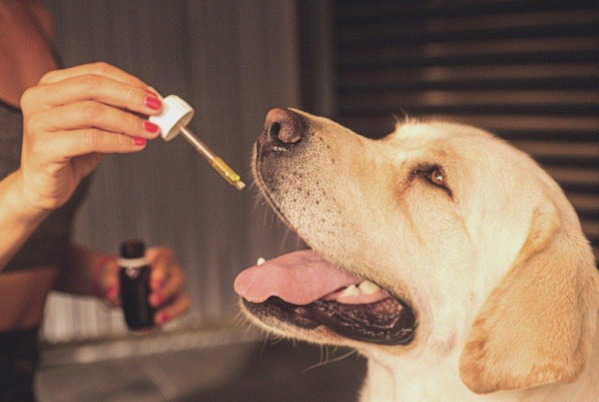
Pain or anxiety can interfere with healing. Natural options like doggie CBD treats may promote calm behavior and reduce restlessness without causing drowsiness. They blend easily into routines and help your companion rest peacefully. Always consult your vet before introducing supplements. Start with small portions and observe how your pet responds during recovery.
6. Offer Emotional Comfort and Companionship
Your presence reassures your companion more than anything else. Spend quiet time nearby, speak softly, and avoid loud noises or sudden movements. Emotional comfort builds trust and reduces post-surgery anxiety. Gentle affection can encourage eating, movement, and relaxation. Consistent emotional support shortens recovery time and strengthens your bond.
7. Keep Hygiene and Wound Care a Priority
Cleanliness prevents infections and discomfort. Wash your hands before handling wounds or medications. Follow your vet’s cleaning instructions for incisions or bandages. Ensure bedding and bowls remain clean. Small hygiene habits contribute to a safer, more comfortable recovery and prevent complications that delay healing.
Recovery takes time, but small acts of care make a big impact. Peaceful surroundings, nutritious meals, gentle activity, and calm emotional support build a foundation for healing. Natural relaxation aids, consistent routines, and your loving attention ensure faster comfort and stronger recovery. With patience and care, your companion will soon return to their playful, healthy self, full of energy and trust once again.