

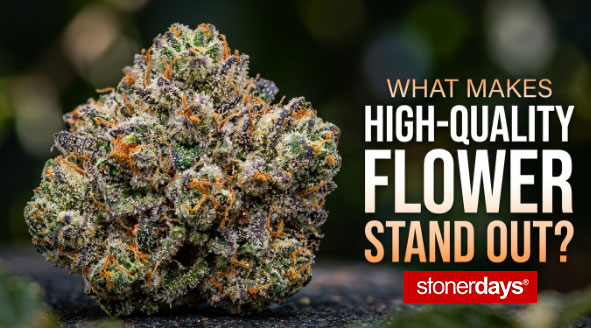
Not all flower is created equal.
Walk into any dispensary or browse any online catalog, and you will notice a wide range in appearance, aroma, and price. Understanding why some flower is considered higher quality than others requires a closer look at cultivation practices, curing methods, and the science behind what makes a plant thrive.
This guide breaks down the key factors that separate premium flower from average product, using an educational lens grounded in horticultural science and industry best practices.
The Foundation: Genetics and Seed Quality
Quality starts long before harvest. It begins with genetics.
Breeders select parent plants based on specific traits such as resin production, terpene profile, growth structure, and resistance to pests or mold. Stable genetics produce consistent results across multiple growing cycles, which is why reputable cultivators invest heavily in seed selection and phenotype testing.
- Stable genetics reduce unpredictability in yield and potency
- Phenotype hunting helps identify the strongest expression of a strain
- Genetic diversity supports resilience against environmental stress
Cultivators who skip this step often end up with inconsistent batches, even when growing conditions are otherwise identical.

Growing Conditions That Influence Quality
Light, Air, and Water Management
Light intensity and spectrum play a major role in how a plant develops. Too little light limits resin production, while poorly managed light cycles can stress the plant and reduce overall structure.
Airflow is equally important. Stagnant air inside a grow space raises the risk of mold and mildew, particularly during flowering when dense buds trap moisture. Proper ventilation keeps humidity in check and supports healthy respiration throughout the plant.
Water quality and irrigation timing also matter. Overwatering can suffocate roots, while inconsistent watering schedules create unnecessary stress that shows up later in bud density and trichome development.
Soil and Nutrient Balance
Nutrient-rich, well-aerated soil gives roots room to expand and access essential minerals. Growers often test pH levels regularly, since even small imbalances can lock out nutrients the plant needs during different growth stages.
Organic amendments, microbial activity, and careful nutrient timing all contribute to a healthier plant that is better equipped to produce dense, resin-coated flower.
Harvest Timing and Its Impact on Final Quality
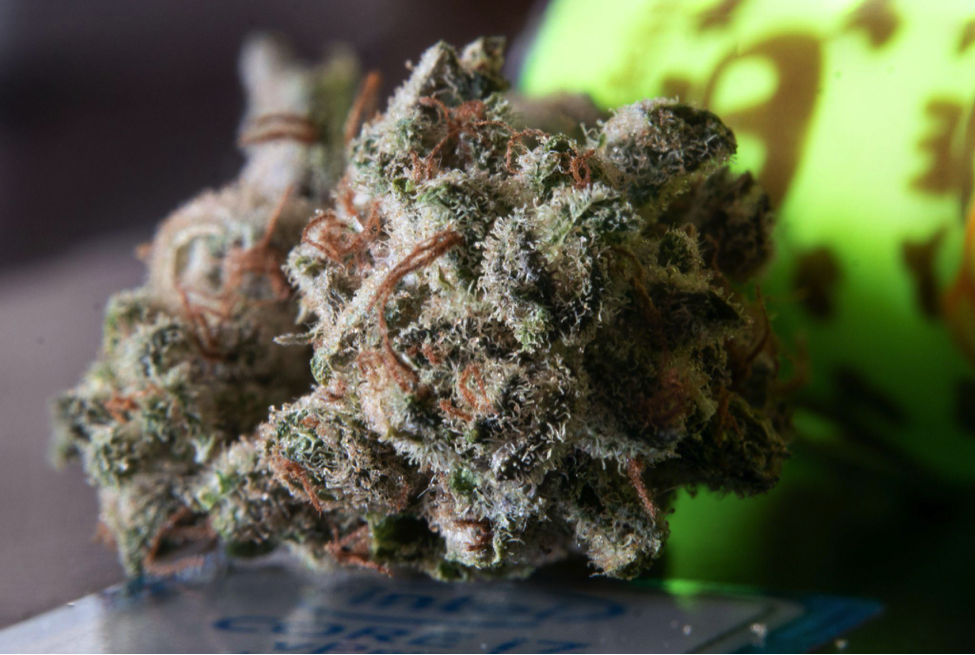
Harvesting too early or too late can significantly change the final product. Trichomes, the tiny resin glands on the plant’s surface, shift in color and clarity as the plant matures.
Cultivators often examine trichomes under magnification to determine the optimal harvest window. This level of attention is one of the clearest indicators of a quality-focused operation, and it is a step that shoppers researching options like Buy THCA Quarter Pounds may want to understand before comparing different batches or suppliers.
Harvesting at the right moment helps preserve terpene content, which contributes to aroma and flavor complexity.
The Curing Process: Where Quality Is Refined
Curing is often overlooked, but it plays a critical role in the final product. After harvest, flower needs a controlled drying and curing period to reach its full potential.
Key stages of curing include:
- Initial drying in a dark, temperature-controlled space
- Slow moisture reduction to prevent mold while preserving terpenes
- Burping jars or containers to release excess humidity
- Extended curing over several weeks for smoother texture and aroma
Rushed curing tends to produce harsh, less aromatic flower. Patience during this stage is one of the biggest differences between average and exceptional product.

Visual and Sensory Indicators of Quality
While lab testing provides objective data, there are visual and sensory cues that experienced growers and researchers look for:
- Dense, well-formed bud structure
- Vibrant color without excessive browning
- Visible trichome coverage
- Strong, complex aroma rather than a flat or musty scent
- Minimal seeds or stems
These indicators, combined with lab analysis, give a fuller picture of overall quality.
The Role of Lab Testing and Transparency
Third-party lab testing has become a standard practice in the industry. Testing typically evaluates cannabinoid content, terpene profiles, and screens for contaminants such as pesticides, heavy metals, and microbial growth.
Transparency around testing results allows researchers, retailers, and consumers to make informed comparisons. Reputable suppliers, including those offering options like Buy THCA Quarter Pounds, often publish certificates of analysis so buyers can review the data independently rather than relying on marketing claims alone.
This kind of transparency reflects broader trends in agricultural science, where analytical testing is increasingly used to verify product consistency across batches.
Environmental and Sustainability Considerations
Quality cultivation also intersects with sustainability. Water-efficient irrigation systems, integrated pest management, and reduced reliance on synthetic inputs are becoming more common as growers look for ways to minimize environmental impact while maintaining consistent output.
Researchers studying agricultural sustainability often point to these practices as models for other high-value crops, since they balance yield with long-term soil and resource health.
Conclusion
High-quality flower is the result of many interconnected factors, from genetics and growing conditions to harvest timing, curing, and testing. No single element determines quality on its own. Instead, it is the careful attention paid at every stage of cultivation that separates exceptional flower from the average.
For anyone researching cultivation science or comparing products, understanding these fundamentals provides a much clearer framework than relying on appearance or price alone.
Frequently Asked Questions
- What is the difference between indoor and outdoor grown flower? Indoor cultivation allows growers to control light, temperature, and humidity precisely, often resulting in more consistent bud structure. Outdoor growing relies on natural sunlight and seasonal conditions, which can produce larger yields but with more variability between batches.
- Why do trichomes matter so much in quality assessment? Trichomes contain the resin glands responsible for much of a plant’s aroma and chemical profile. Their color, density, and clarity are commonly used as visual indicators of maturity and overall quality.
- How long does curing typically take? Curing periods vary, but many cultivators cure flower for two to eight weeks, with some extending the process further for specific texture and aroma goals.
- What does third-party lab testing actually check for? Lab testing generally screens for cannabinoid content, terpene composition, and contaminants such as pesticides, heavy metals, residual solvents, and microbial contamination.
- Can genetics alone guarantee high-quality flower? No. Genetics set the potential, but growing conditions, harvest timing, and curing all influence whether that potential is fully realized in the final product.
External References
- National Institutes of Health (NIH) – National Center for Complementary and Integrative Health: https://www.nccih.nih.gov
- PubMed Central – Peer-reviewed research database: https://www.ncbi.nlm.nih.gov/pmc
- ScienceDirect – Agricultural and plant science research: https://www.sciencedirect.com
- Nature – Plant biology and agricultural science publications: https://www.nature.com
- OECD – Agricultural policy and sustainability resources: https://www.oecd.org/agriculture
Disclaimer: This article is intended for educational and informational purposes only. It does not constitute medical, legal, or health advice, and it should not be used as a substitute for professional guidance. Readers should consult relevant laws in their jurisdiction and seek advice from qualified professionals where applicable.