

Cannabis culture is often associated with musicians, festivals, and well-known public figures, but its evolution has been shaped by a much broader creative community.
Long before legalization became more widespread and wellness conversations entered the mainstream, artists were exploring themes of freedom, nature, perception, and individuality through music, painting, photography, design, and fashion. Their work helped reshape public attitudes by presenting cannabis as part of larger conversations about creativity and lifestyle rather than simply a symbol of rebellion.
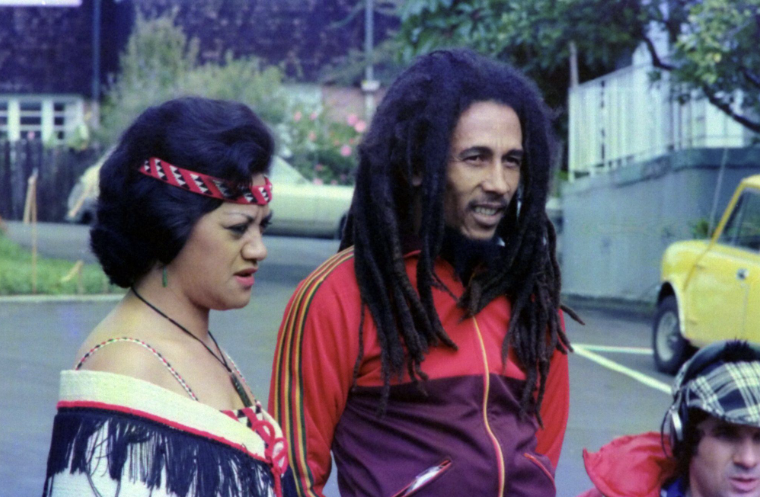
Much of this influence happened quietly. Rather than campaigning directly for cultural change, many creators simply expressed their own perspectives through their work. Album artwork challenged visual conventions, photographers documented evolving lifestyles, designers introduced cleaner aesthetics, and musicians incorporated new ideas into their performances. Together, these creative contributions gradually transformed the way cannabis culture was perceived, making it more diverse, more design-conscious, and more connected to everyday life.
Creativity Helped Change the Conversation
Artists have always played an important role in introducing new ideas before they become widely accepted. Through visual storytelling, music, and design, they often encourage audiences to reconsider familiar subjects from fresh perspectives. Cannabis culture followed a similar path, gradually moving beyond stereotypes as creative communities presented it within broader discussions about wellness, craftsmanship, and personal expression. Modern cannabis branding increasingly reflects this shift through cleaner design, thoughtful packaging, and educational approaches that differ significantly from earlier decades.

That evolution is also reflected in today’s wellness market. People exploring products through Medterra often encounter branding that emphasizes transparency, quality, and everyday routines rather than countercultural imagery. This broader change illustrates how artistic direction has influenced not only visual identity but also the way consumers interact with modern wellness products, creating a more approachable and sophisticated presentation than many people would have expected only a generation ago.
Music Gave Cannabis Culture a Lasting Voice
Few creative fields influenced public perception more than music. Jazz musicians introduced coded references decades before cannabis could be discussed openly, while later generations of rock, reggae, hip-hop, and alternative artists helped normalize conversations that had previously existed on the cultural margins. Rather than speaking only about cannabis itself, many musicians connected it to broader ideas about freedom, community, creativity, and social change.
Importantly, these artists did not all share the same message. Some viewed cannabis through the lens of artistic inspiration, while others approached it as part of personal identity or political expression. That diversity prevented cannabis culture from becoming defined by a single stereotype. Instead, it evolved into a collection of perspectives shaped by different musical genres, generations, and audiences around the world.
As these conversations became more visible, public attitudes gradually shifted. Music alone did not change legislation or public policy, but it undeniably influenced cultural familiarity by bringing the subject into everyday entertainment.
Visual Artists Redefined the Aesthetic
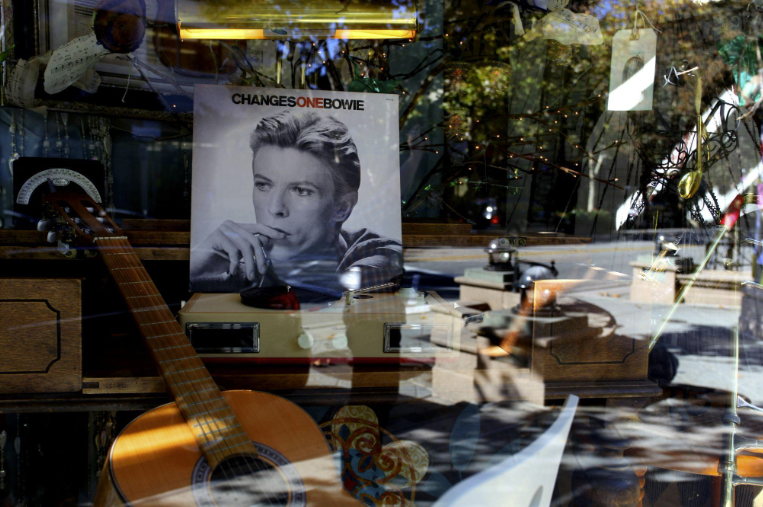
Photo by Matthew Davis on Unsplash
Visual artists also played an essential role in changing how cannabis was represented. Earlier imagery often relied on exaggerated symbols and counterculture references, but contemporary artists introduced more refined approaches that emphasized design, craftsmanship, and botanical beauty. Galleries, exhibitions, and commercial collaborations demonstrated that cannabis-related themes could exist comfortably within mainstream artistic spaces rather than remaining confined to niche communities.
This aesthetic transformation influenced much more than gallery walls. Packaging, interior design, typography, photography, and branding all began reflecting cleaner visual identities inspired by broader lifestyle trends. As legalization expanded in parts of the world, businesses increasingly collaborated with designers who approached cannabis products with the same level of attention given to premium skincare, fashion, or home décor.
The result was a cultural shift where presentation became an important part of changing public perception. Design helped communicate professionalism, quality, and trust in ways that traditional marketing alone could not achieve.
Quiet Influence Often Lasts Longer Than Loud Trends
Some of the most significant cultural changes happen gradually rather than through dramatic moments. Artists frequently influence public opinion by introducing new ways of thinking instead of directly asking audiences to change their beliefs.
Fashion designers incorporated subtle botanical references. Photographers documented changing communities without relying on stereotypes. Illustrators, filmmakers, and graphic designers created work that reflected evolving social attitudes without making cannabis the sole focus of their projects. Over time, these countless creative decisions collectively reshaped how the subject was viewed across multiple industries.
This quieter influence proved especially effective because it reached audiences through everyday experiences. People encountered changing aesthetics in magazines, album covers, advertising, exhibitions, and product design long before they consciously recognized how much cultural perceptions had shifted.
Rather than relying on confrontation, many artists encouraged curiosity, allowing audiences to develop their own perspectives through repeated exposure to thoughtful creative work.
Creativity Continues to Shape the Future
Cannabis culture continues evolving alongside broader changes in art, design, music, and wellness. Today’s creators operate in an environment where discussions are often more open than in previous decades, allowing them to explore themes that extend beyond activism into craftsmanship, sustainability, community, and personal well-being.
Modern audiences increasingly value authenticity over spectacle, making thoughtful creative expression more influential than ever. Artists continue introducing fresh ideas through music, visual storytelling, branding, and design, ensuring that cannabis culture remains connected to larger conversations about creativity rather than becoming defined by any single trend.
Looking back, it becomes clear that many of the most important contributors were never the loudest voices. Instead, they quietly shaped public imagination through consistent creative work that encouraged people to see familiar subjects differently. Their influence lives on not only in galleries or playlists but also in the evolving visual language, thoughtful branding, and broader cultural acceptance that characterize modern cannabis culture today.